

*Building a Sustainable Future: NACA Launches National Strategic Plan 2026–2030.*

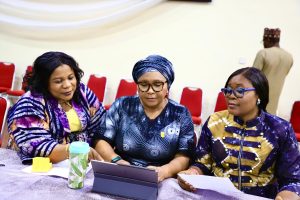
The National Agency for the Control of AIDS (NACA) officially launched and disseminated the National Strategic Plan (NSP) 2026–2030 at a stakeholders’ meeting held on 11 June 2026 at Rockview Royale Hotel, Abuja. The event brought together representatives from government ministries, development partners, civil society organizations, academia, faith-based organizations, the private sector, and networks of people living with HIV to discuss the future direction of Nigeria’s HIV response. The Honourable Minister of Health and Social Welfare was the Special Guest of Honour and was ably represented at the event. The event featured goodwill messages from representatives of Implementing Partners (IPs), the United States Government (US), the Joint United Nations System, the Country Coordinating Mechanism (CCM), Academia, Faith-Based Organizations (FBOs), the Network of People Living with HIV/AIDS in Nigeria (NEPWHAN), Ministries, Departments and Agencies (MDAs), and the Federal Ministry of Health (FMOH). Speakers commended NACA for its leadership in coordinating Nigeria’s HIV response and pledged continued collaboration towards the successful implementation of the NSP 2026–2030. They emphasized the importance of strengthening partnerships, ensuring sustainable financing, improving data systems, expanding community engagement, and maintaining the gains recorded in the national HIV response.
Following the goodwill messages, the DG NACA, Dr. Temitope Ilori, delivered the opening remarks, welcoming stakeholders and highlighting the significance of the NSP 2026–2030 as a roadmap for a sustainable, integrated, and resilient HIV response in Nigeria. She noted that the strategic plan reflects extensive consultations with key stakeholders and is aligned with emerging realities in the HIV landscape, including the need for greater domestic ownership, health systems integration, and innovative service delivery approaches. The DG described the launch of the NSP as a defining moment in Nigeria’s HIV response, noting that the country has made remarkable progress over the past two decades in reducing new HIV infections, expanding access to treatment, and strengthening national leadership and coordination mechanisms. Despite these achievements, she highlighted the evolving challenges facing the response, including changing epidemiological trends, funding uncertainties, and the need for greater sustainability and domestic ownership. The DG reaffirmed NACA’s commitment to working collaboratively with all stakeholders to ensure effective implementation of the plan. She called for renewed commitment, collective responsibility, and sustained investment in Nigeria’s HIV response, stressing that the success of the NSP will depend on strong partnerships, domestic ownership, and coordinated action across sectors.
Following the welcome remarks, Dr. Miriam Ezekwe, Deputy Director of the Department of Policy, Planning and Coordination (DDPPC) NACA, presented an overview of the NSP 2026–2030, highlighting its goals, strategic direction, priorities, and expected impact. The presentation emphasized the importance of sustaining gains made in the HIV response while addressing emerging challenges through innovative and integrated approaches.
A panel discussion was held to explore key implementation issues under the new strategic framework with the topic: *Domestic Financing, Resource Mobilization and Private Sector Partnership*; Panelists discussed strategies for increasing domestic funding for HIV programmes, strengthening resource mobilization efforts, and fostering meaningful private-sector participation to support the sustainability of the national response.
The highlight of the event was the official unveiling and launch of the National Strategic Plan (NSP) 2026–2030 by the DG NACA, marking the beginning of a new phase in Nigeria’s HIV response. The launch and dissemination of the NSP 2026–2030 reaffirmed Nigeria’s commitment to ending AIDS as a public health threat through a sustainable, integrated, and country-led response. The event provided a platform for stakeholders to align priorities, strengthen partnerships, and renew their commitment to achieving the goals outlined in the new strategic plan. The meeting concluded with closing remarks, a vote of thanks, group photographs, media engagement, and a networking lunch.